Building a Vertical Rotisserie
In the summer of 2017, I spent several weeks in Puerto Morelos, Mexico for a marine biology research project. Between dives and data collection, I discovered a taco stand that would change the way I thought about al pastor forever.
The Tacos That Started It All
There was this little place near the beach where an older man would slowly carve slices off a massive cone of marinated pork spinning next to open flames. The fat rendered and crisped on the outside while the interior stayed juicy. Each taco was topped with a slice of pineapple cut right off the top of the spit. Those tacos haunted me for years.
I’ve had plenty of al pastor since then - at restaurants, food trucks, even homemade attempts in a regular oven - but nothing came close to that vertical spit setup. The way the meat self-bastes as it rotates, the direct heat creating those charred edges while keeping everything moist… it’s a fundamentally different cooking method.
The Build
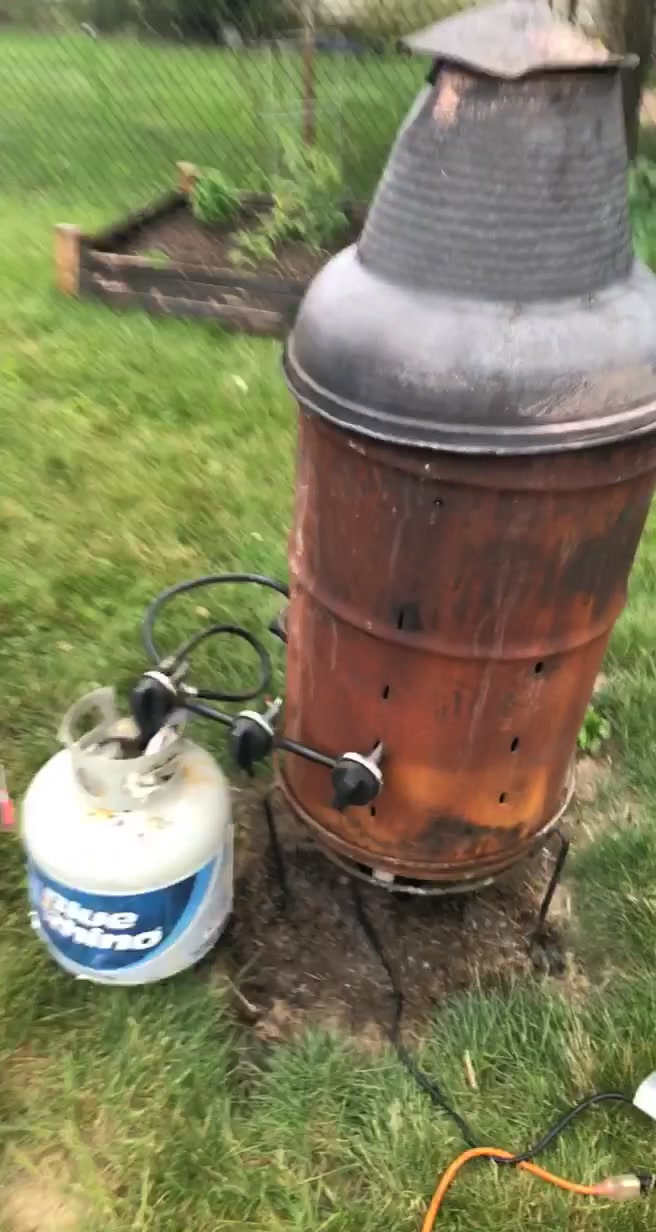
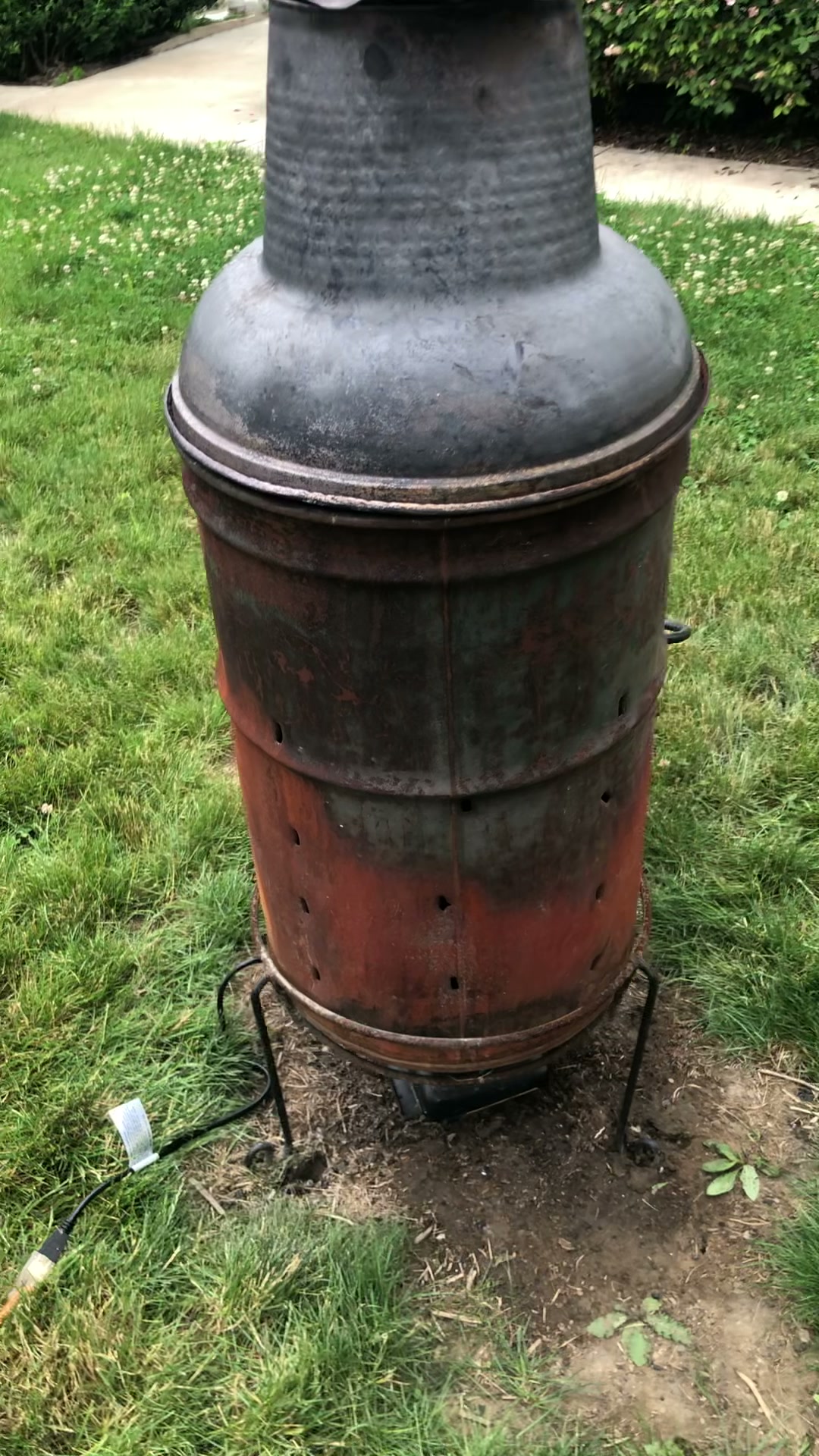
By 2021, I decided to stop chasing the memory and just build the thing myself. The plan: take a burn barrel, salvage parts from an old grill, add a low RPM motor, and create my own vertical rotisserie.
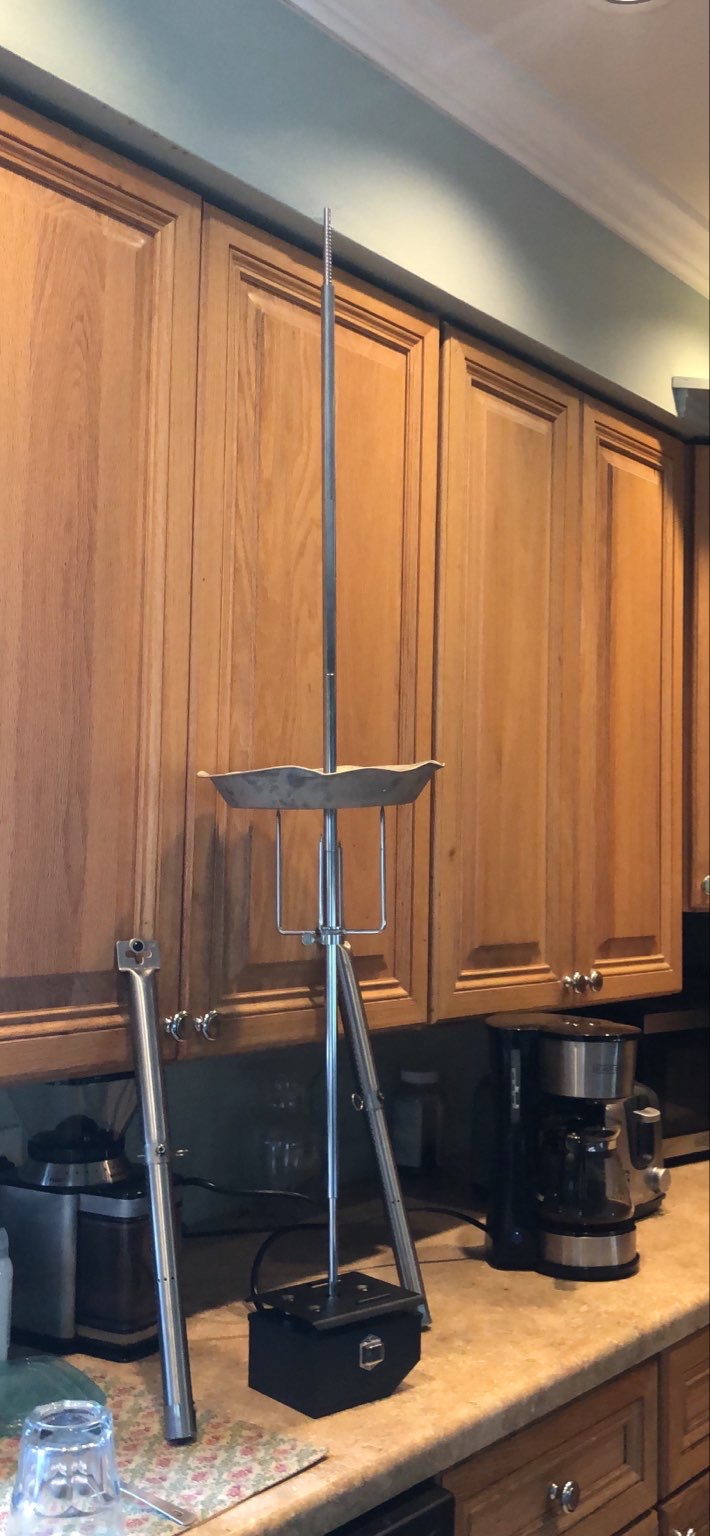
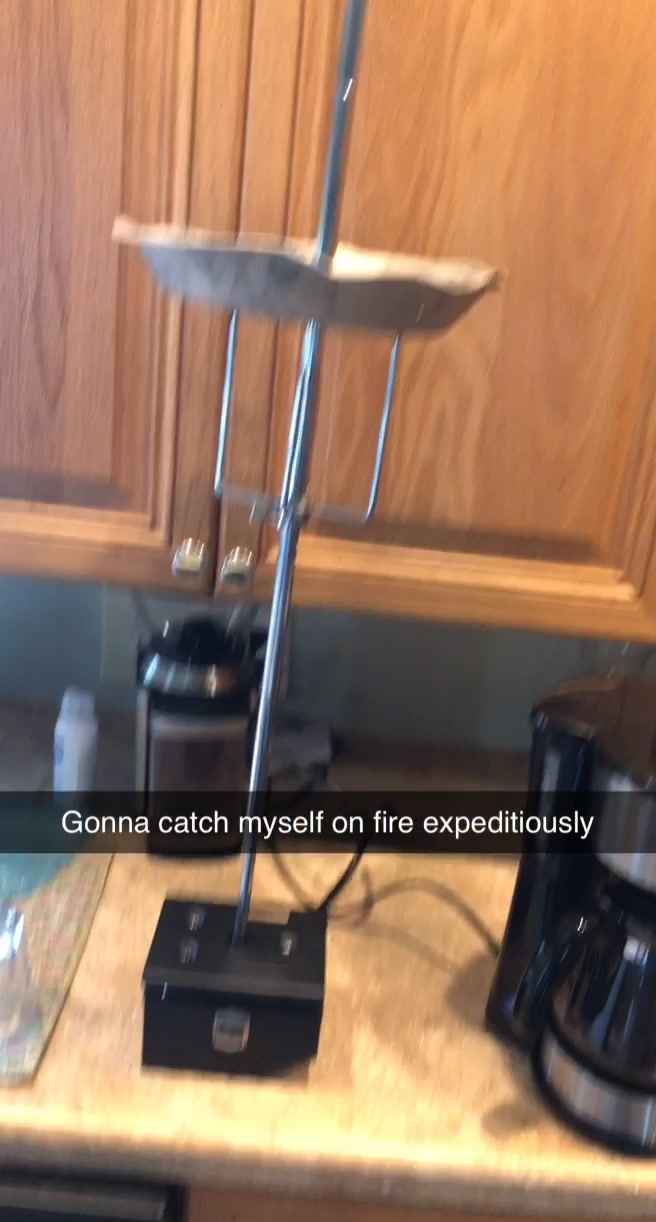
The build taking shape - motor mounted and ready for testing.
The key components:
- Burn barrel: Cheap, already designed for high heat, perfect cylinder shape
- Grill grates and hardware: Salvaged from a broken Weber for the structure
- Low RPM motor: You want it slow - maybe 2-3 RPM - so the meat rotates evenly without flinging juices everywhere
- Vertical spit: A steel rod with adjustable brackets to hold the meat stack
The trickiest part was getting the motor positioned correctly. Too close to the heat and it’ll burn out. Too far and the torque suffers. I ended up mounting it at the top with a heat shield between it and the flames.
First Cook
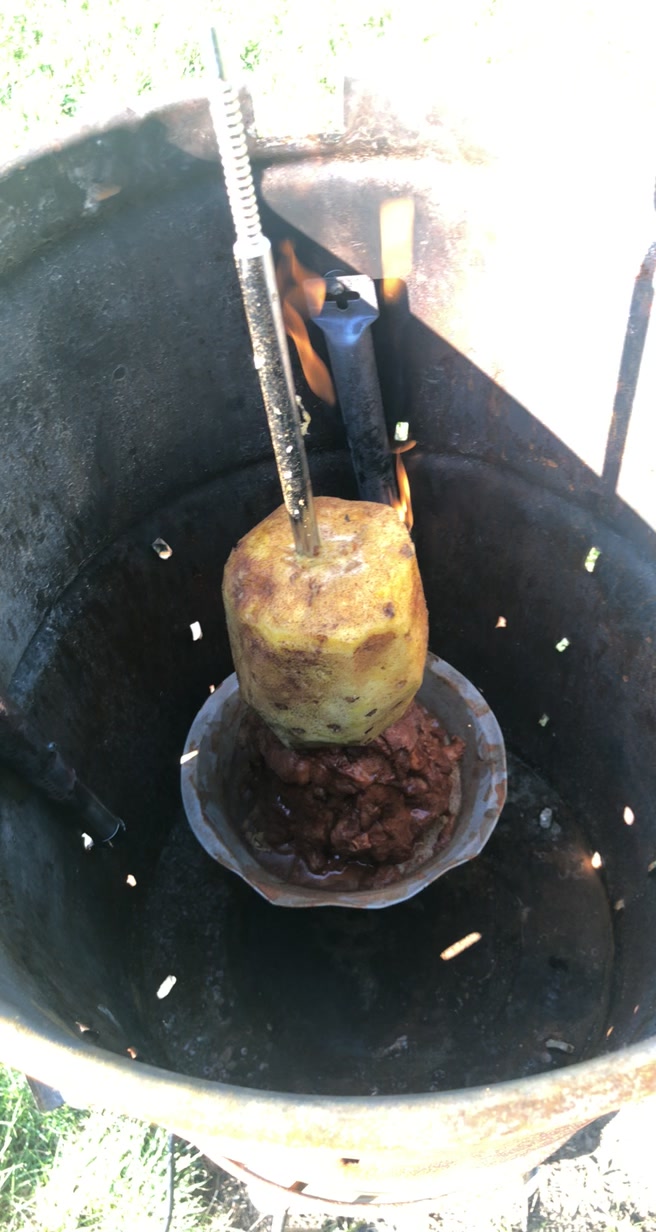
The inaugural run was a proper al pastor - marinated pork shoulder stacked with slices of pineapple on top, just like I remembered from Puerto Morelos.
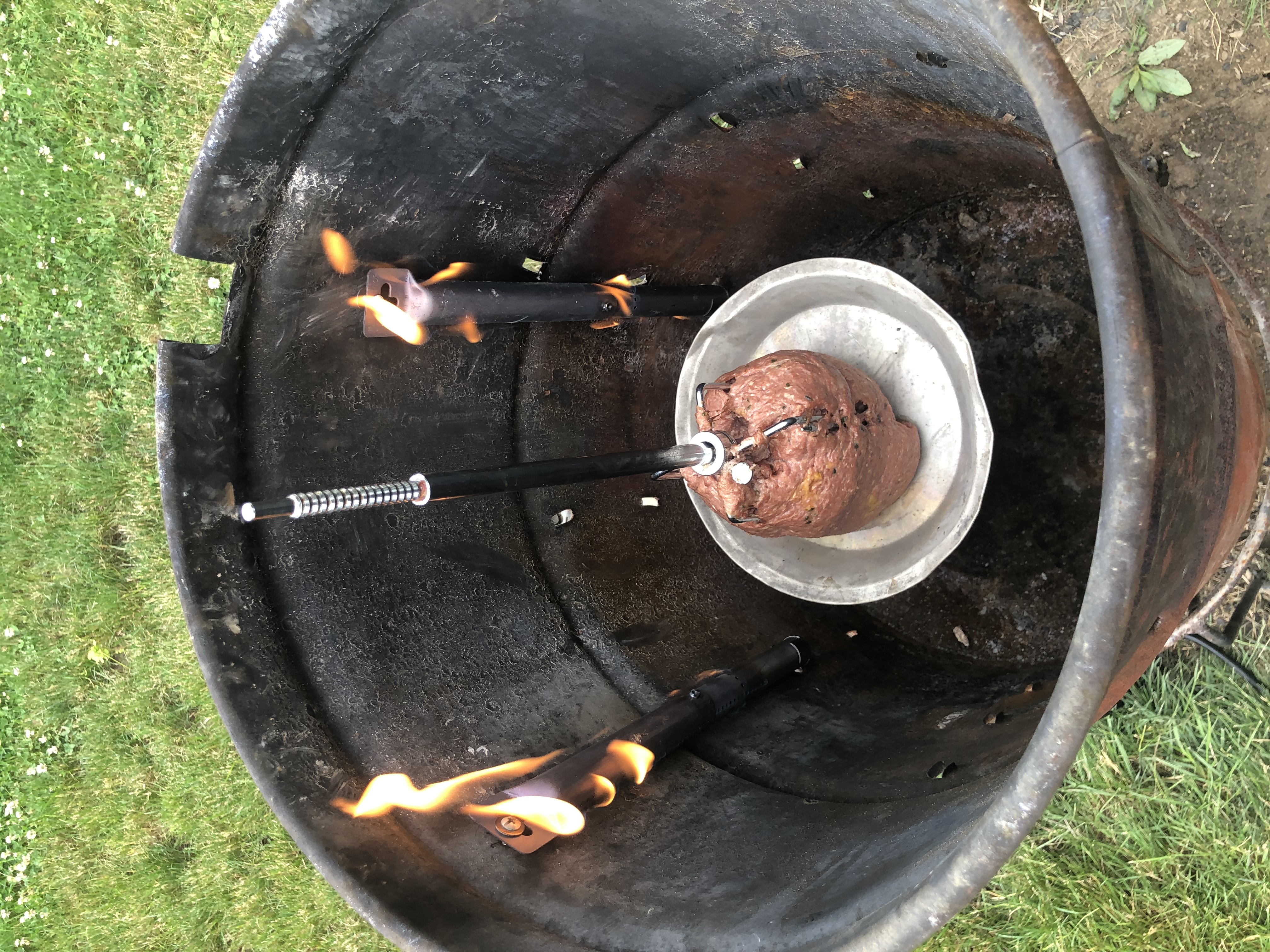
First al pastor stack loaded up and ready to spin.
Watching that first cone of meat slowly rotate, fat dripping down and sizzling, brought back all those memories of that beach taco stand. The smell was incredible.
The finished product - crispy edges, juicy interior, exactly what I was chasing.
Was It Worth It?
Absolutely. The tacos were legitimately close to what I remembered from Mexico. That vertical cooking method really does make a difference - the way the exterior caramelizes while the fat bastes the meat from above creates a texture you just can’t replicate in an oven or on a flat grill.
The rig has since been used for shawarma, gyros, and various other vertical-spit experiments. It’s become a summer staple for cookouts at the house.
If you’ve got access to some scrap metal and a spare motor, I highly recommend attempting your own build. There’s something deeply satisfying about engineering your way to better tacos.
Gallery